
1. Identifying Authentic Steel
1.1 Quality Certification:
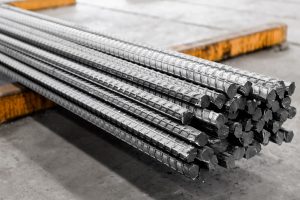
When selecting steel for any construction project, it’s essential to verify that the manufacturer/product has valid quality certifications. Look for markings such as the ISO (International Organization for Standardization) certification or the BIS (Bureau of Indian Standards) mark. These certifications ensure that the steel has been manufactured following strict quality control measures and adheres to national or international standards for strength, durability, and safety. Using certified steel minimizes the risk of structural failures and enhances the overall reliability of your construction.
Grade of steel:
Steel used in construction comes in various grades such as Fe 415, Fe 500, Fe 550D, and Fe 600. These numbers indicate the yield strength of the steel in megapascals (MPa), meaning Fe 415 has a yield strength of 415 MPa, and so on.
- Higher-grade steel like Fe 550D or Fe 600, offers greater strength, making it suitable for high-rise buildings, infrastructure projects, or areas with heavy load requirements.
- Fe 415 and Fe 500 are commonly used in residential buildings due to their balance of flexibility and strength.
- Keep in mind that Fe 415 grade of steel is mostly unavailable in the market nowadays.
- The suffix “D” (as in Fe 550D) stands for ductility, meaning the steel can bend more without breaking, which is especially useful in earthquake-prone areas and suitable for structures that undergo impact loads.
1.2 Mill Test Reports (MTR):
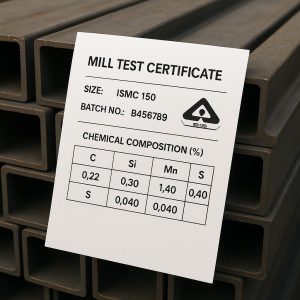
Genuine and high-quality steel should always be accompanied by a Mill Test Report (MTR). This document is issued by the manufacturer and provides detailed information about the mechanical properties (such as yield strength, tensile strength, and elongation) and chemical composition (including the percentage of carbon, manganese, sulphur, phosphorus, etc.) of the steel.
An MTR helps:
- Verify that the steel meets the required standards (such as IS:1786 or ASTM codes).
- Ensure traceability, confirming where and how the steel was produced.
- Maintain transparency and quality assurance during inspections or audits.
Always ask for the MTR before using the steel in any structural application. It’s a key indicator of material authenticity and compliance.
1.3 Brand Markings and Labelling:
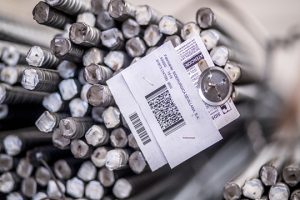
Reputed steel manufacturers typically provide clear brand markings on the steel bars along with labels or tags that include important batch details. These markings may include:
- Brand name or logo
- Grade of steel (e.g., Fe 550D)
- Diameter of the rebar
- Heat number or batch number
- Manufacturing date
These labels ensure traceability, allowing users to track the origin and specifications of the steel. They also help confirm that the steel is not counterfeit and comes from a trusted source.
Always check for these markings and labels before using the steel to ensure authenticity, quality, and accountability on-site.
2. Handling and Storage of Steel Rebars at the Site: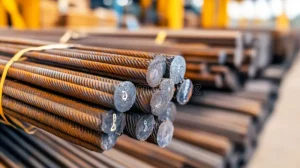
- Keep the stacks on a flat, solid surface to prevent bending Stack steel bars by diameter and length to make identification and access easy. This also minimizes handling and reduces potential damage
- Store rebars free from possibilities of getting contacted with mud, cement slurry and water at the construction site.
- Inspect for any rust, bends, or other damage before installation, especially if it has been stored for a prolonged period.
- Lift bars using hooks or slings instead of dragging them on the ground, which can lead to wear and damage.
- Check that bars are properly tied using appropriate binding wire to hold the reinforcement in position during concrete pouring.
- Perform regular inspections to ensure that the placement and cover of reinforcement are according to design requirements.
3. Chemical Composition and Properties of Rebar Steel
3.1 Primary Chemical Components
Iron (Fe):
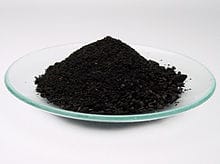
- Major component (balance of the alloy).
- It provides the base material for steel and structural strength.
Carbon:
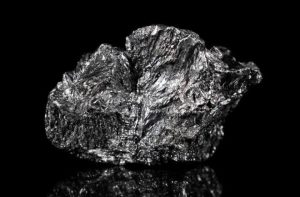
- Carbon is added to steel to improve its hardness and tensile strength. However, too much carbon can reduce ductility and make the steel brittle.
- 15% to 0.30% (varies with the type of steel).
3.2 Alloying Elements
Manganese (Mn 0.50% to 1.5%)
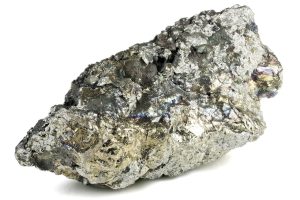
- It enhances toughness, wear resistance, and hardenability. Manganese also helps neutralise the effects of sulphur, improving the steel’s quality.
Silicon (Si 0.15% to 0.40%)
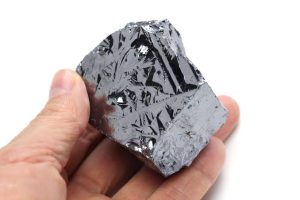
- It improves strength and elasticity, making the steel more robust under tension.
Sulphur (S ≤ 0.045% (kept low to prevent brittleness).
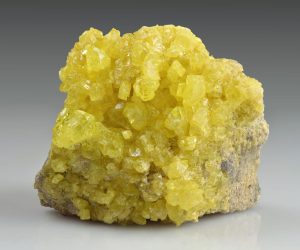
- Considered as an impurity, excess sulphur can cause brittleness in steel.
Phosphorus (P≤ 0.045% (kept low to maintain ductility).
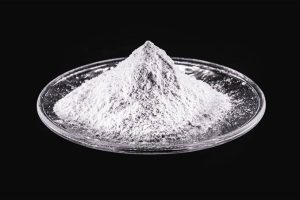
- High levels can reduce toughness, particularly in cold conditions.
Additional Elements and Their Benefits
Chromium (Cr ≤ 0.25% (optional, higher in corrosion-resistant steel)
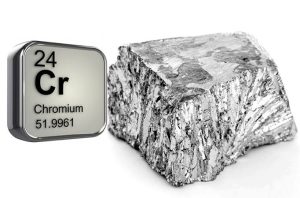
- Enhances corrosion resistance and
- Hardness.
Copper (Cu ≤ 0.55% (optional)
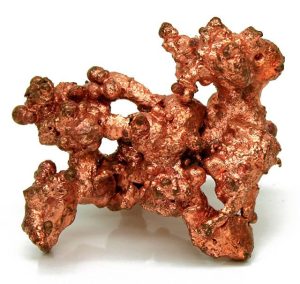
- Improves corrosion resistance and
- Durability.
Nickel (Ni ≤ 0.25% (optional)
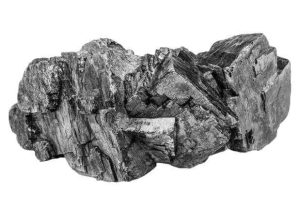
- Enhances strength
- Toughness and
- Corrosion resistance.
Vanadium (V ≤ 0.15% (in high-strength rebar)
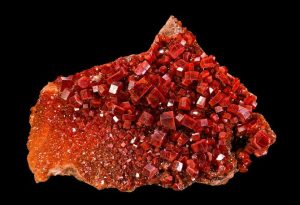
- Refines grain structure
- Improving strength and toughness.